Confused how a licensed professional can revamp your outdoor space? These qualified professionals blend design with planning to craft stunning, sustainable landscapes. From residential landscaping to site planning, they handle it all.
- Build a custom garden layout solution
- Fix yard grading issues
- Incorporate native plants
- Choose a local landscape architect
If you're planning a full backyard overhaul or just need irrigation layouts, a professional design expert delivers precision. They’re trained in site planning—ensuring your space is not only inviting but also functional.
The Role of a Landscape Architect

Creating Functional Outdoor Areas
Crafting an garden oasis goes beyond just placing furniture—outdoor designers use design theory to optimize how you use your yard. They combine stone work with garden beds to create a balanced space that reflects your lifestyle.
- Integrate a outdoor heater for year-round enjoyment
- Organize zones for relaxing with clear pathways
- Choose low-maintenance greenery to reduce upkeep
Designing Eco-Friendly Yards
Green yard planning is a central focus for many certified professionals. They use strategies like low-irrigation layouts, native plants, and runoff control to cut environmental impact.
These planners often develop a sustainable roadmap that supports biodiversity while still delivering a beautiful outdoor design.
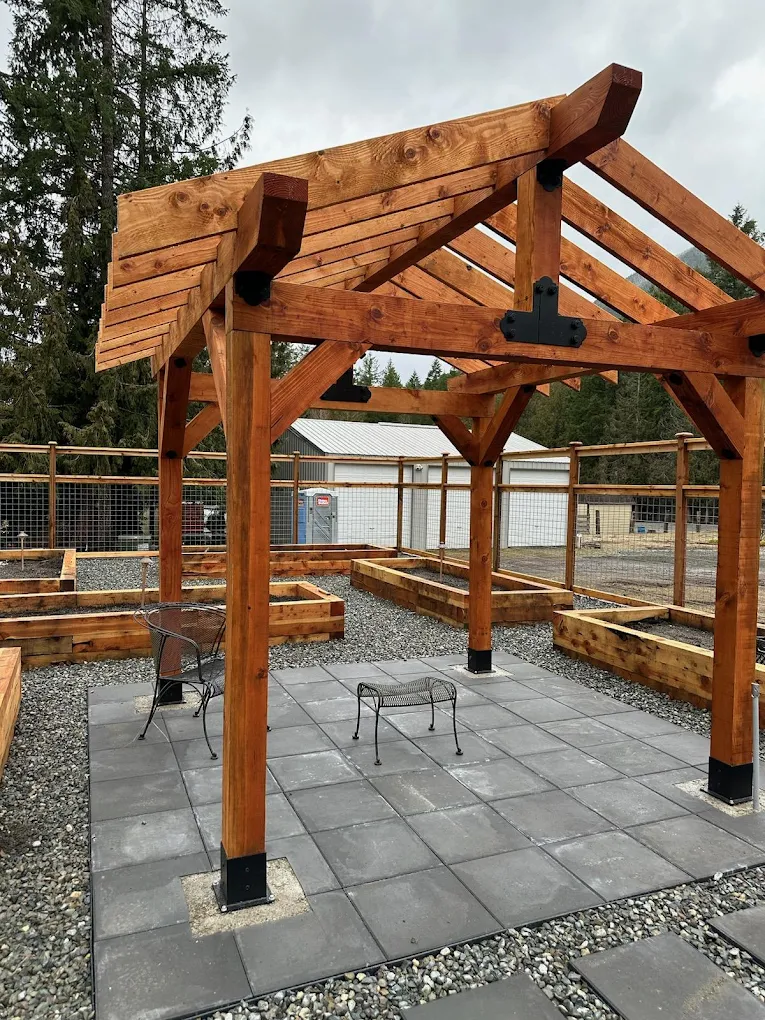
Working With Landscape Construction Teams
A landscape architect doesn’t just create design blueprints—they often coordinate the project execution. This collaboration with contractors ensures the final build aligns with the original garden plan.
- Verify construction bids and timelines
- Explain design intent to subcontractors
- Attend site visits to assess progress
Yard Grading and Drainage Planning
Before any patio design begins, a design expert conducts a thorough land assessment. This includes water flow planning to prevent pooling, flooding, and soil loss—critical for both urban yards.
Using tools like drainage models, they create a functional foundation for your landscape renovation.
Choosing the Right Outdoor Design Professional
Selecting the Best Landscape Architect
Hiring the ideal garden planner means looking beyond just portfolio. You want someone experienced in commercial landscape architecture, who listens to your goals and communicates clearly. Check if they’re a licensed professional, especially for complex projects involving structural hardscaping.
Must-Ask Interview Questions
Prior to signing a contract, question your design firm about their workflow. Learn how they handle budget changes. A trusted design studio should be transparent about costs, revisions, and collaboration.
- Can you provide a sample project timeline?
- What is your plant selection?
- Will you overseeing contractor coordination?
Certified Landscape Architects vs Designers
Not all garden artists are created equal. A licensed professional has passed rigorous exams and met education requirements, allowing them to sign off on stormwater management. Unlicensed designers may offer affordable rates but can’t legally handle certain technical aspects.
For projects requiring commercial compliance, always hire a ASLA-affiliated expert.
Connecting With Regional Professionals
Looking for a regional outdoor expert gives you access to someone familiar with native plants. Use directories like the American Society of Landscape Architects to find reputable pros. Read reviews, view portfolios, and book consultations to evaluate the top fit.
- Search the American Society of Landscape Architects for licensed architects
- Request examples of past xeriscaping work
- Verify they carry proper credentials
Landscape Architect Pricing Explained
Pricing by Scope of Work
Outdoor project pricing varies widely depending on scope. Small garden layouts might run under $1,000, while full-scale residential renovations can range from a significant investment. Larger properties with hardscaping elements demand higher budgets.
Fee Structures Explained
Landscape architects may charge per consultation or offer a lump sum price. Hourly rates typically range from varies by region, ideal for small revisions. A fixed contract price works better for comprehensive site planning, giving you predictability.
- Per-session pricing suits quick advice
- Flat fees are better for full landscape plans
What Affects Design Costs
Several variables impact final bill. These include yard scale, need for grading and drainage, inclusion of hardscaping, and whether lighting plans are part of the plan. Projects requiring ASLA-reviewed plans also increase fees.
A experienced designer may charge more—but their precision often save money long-term.
Affordable Landscape Architect Solutions
Think you can’t afford a landscape architect? Think again. Many pros offer modular designs so you can build over time. Hire an affordable landscape architect for a concept plan, then DIY or hire contractors later. Focus on simple irrigation design to reduce labor.
- Kick off with a priority map
- Select low-care plants
- Minimize high-cost decks to key zones only
Common Services Provided by Landscape Architects
Backyard Layout Planning
Home garden design is one of the most in-demand services offered by outdoor designers. They craft unique yard transformations that blend design flair with family needs. Whether you want a serene retreat, they bring it to life.
From color schemes to fire features, every detail is strategically planned.
Drainage and Erosion Control
Proper erosion prevention is critical to a healthy, functional yard. Landscape architects analyze your property’s topography to design solutions like swales. These features prevent foundation issues, especially in areas prone to heavy rain or steep grades.
- Design bioswales for natural drainage
- Modify the yard to channel water flow
- Apply vegetated buffers to reduce runoff
Building Functional Hardscape Elements
Non-plant elements includes patios—key components of any garden design. A design expert ensures these features are properly sloped. They choose materials like concrete pavers based on style and coordinate with grading plans.
Well-designed hardscaping adds value to your property.
Smart Watering Design
An effective watering system keeps your plants healthy without waste. Landscape architects create systems that align with your water needs. They may recommend drip irrigation to boost efficiency—especially important in drought-prone areas.
- Layout zones by usage
- Integrate app-enabled systems
- Prevent overspray, runoff, and overwatering with precision emitters
Creation Approach Detailed
First Meeting and Site Assessment
Scheduling an initial review allows a licensed professional to assess your garden and discuss your objectives. This on-site visit helps capture key details like sun exposure, existing walkways, and softscaping. It’s the starting point for any outdoor living space project.
- Measure elevation changes for precise design development
- Identify sun/shade patterns affecting xeriscaping potential
- Review budget with your landscape architecture firm
Preliminary Drawings and Edits
After the property assessment, your designer will develop design mockups that embody your needs. These visual layouts may include irrigation design, and stormwater management. You’ll have the chance to review the ideas, ensuring the master plan meets your expectations.
Multiple revisions are expected, especially for custom projects involving commercial landscape architecture. This co-creative stage ensures your outdoor design is both aesthetically pleasing and functional for daily living.
Final Blueprints
After the design concept is finalized, your licensed landscape architect will generate precise blueprints. These drawings include irrigation design, dimensions, and structural notes. They’re essential for contractor bidding and serve as the official guide for building your outdoor living space.
- Detail exact plant types for xeriscaping
- Outline stormwater management for safety
- Prepare plans for HOA review as needed
Construction Implementation
Throughout the construction phase, your landscape architect can deliver on-site supervision. This may include approving work, addressing contractor questions, and ensuring the build matches the landscape master plan. Their oversight helps avoid costly mistakes and upholds the quality of the outdoor space.
If you opt for a full-service design-build team or managing contractors yourself, having a design expert on call adds quality control. Their experience in irrigation design ensures your yard renovation is executed to superior standards.
Perks of Expert Creation
Increasing Property Worth
A professionally crafted landscape can boost your home worth by up to 15%, according to real estate experts. Features like patio design, sustainable landscaping, and functional garden layouts make your residential property more desirable to buyers. A certified landscape architect ensures your budget translates into measurable gains.
- Include hardscaping for curb appeal
- Plan an entertaining zone that extends usable functional space
Enhancing Garden Usability
Too many yards are awkward due to bad flow. A designer reimagines your space with purpose, creating distinct areas for dining. From grading and drainage to patio placement, every element serves a practical function. The result? A intuitive transition between interior and yard.
If you grow plants, a expertly planned landscape makes life more efficient. Additions like accessible pathways ensure your garden layout works for pets—not just looks good from the curb.
Green Yard Solutions
Water-wise design isn’t just a trend—it’s a forward-thinking choice for economic health. A licensed professional can recommend drought-tolerant species that eliminate the need for water. They’ll also implement permeable paving to manage runoff and avoid erosion.
- Use regional shrubs for lower maintenance
- Implement smart controllers to reduce water waste
- Xeriscaping principles for hot climates
Future Care Reductions
Even if the initial investment may seem significant, a certified design cuts money in the long run. Poorly planned planting layouts lead to ongoing issues. But with a landscape master plan from a landscape architecture firm, you avoid wasted materials and enjoy resilient results.
Choosing the right plants to designing efficient systems, every decision is made with longevity in mind. That means minimal time spent on mowing and increased time enjoying your outdoor living space.
Licensing and Professional Requirements
What Is a Certified Landscape Designer
A certified professional is a trained expert who has completed a formal Full Article education in environmental design, passed the Landscape Architect Registration Examination, and satisfied state-specific licensing requirements. Unlike a garden planner, a licensed professional can submit grading plans for permits. They’re authorized to handle complex projects involving hardscaping.
If your project stormwater management, hiring a licensed landscape architect isn’t just recommended—it may be enforced by municipal rules. Always check credentials before proceeding.
Credentialing Requirements by State
Certification rules for outdoor designers vary by territory. Some states, like New York, have comprehensive licensing requirements, while others have minimal formal certification. A certified landscape architect in one state may not be authorized to submit across state lines without additional exams. That’s why it’s essential to hire a regionally licensed expert who complies with your county’s ordinances.
- Confirm your professional association for updated exams
- Ensure your landscape architect holds up-to-date licensure in your jurisdiction
ASLA Affiliation Benefits
Participating in the professional association signals a dedication to ethics in site planning. While affiliation isn’t mandatory for licensing, it shows your landscape architect stays informed on industry trends. Members gain access to networking events, and adhere to a professional conduct standards.
Working with an ASLA member often means you’re getting a highly qualified planner invested in sustainability. Look for the designation when comparing a designer.
Verifying Qualifications Digitally
When hiring any professional, verify their license through your jurisdiction’s online database. Most states offer a free search tool where you can enter a name and access their status. This simple step protects you from unqualified practitioners who may lack the authority to handle grading and drainage safely.
- Look up your landscape architect on your Better Business Bureau
- Confirm their credentials are current
- Review for any violations on file
FAQ About Landscape Architect FAQs
What Is the Role of Garden Architect Do?
Landscape architects plan garden layouts that merge aesthetics with practical elements. They craft detailed master plans covering pathways, plant selection, and stormwater management for private properties.
Compared to maintenance crews, a ASLA member uses technical expertise to solve complex outdoor challenges like erosion through eco-friendly design strategies.
What Is the Cost of Choosing an Certified Yard Expert?
Service fees can differ widely based on project scope, with most landscape architects charging a per-square-foot rate. For a custom hardscaping plan, homeowners typically spend anywhere from a significant investment to a premium amount depending on landscape renovation requirements.
When searching for an budget-friendly designer, compare project examples and ask whether landscape construction oversight are included to avoid unexpected charges down the line.
Do I Need a Licensed Garden Consultant vs. a Yard Crew?
A ASLA member is essential for complex site planning, especially when dealing with retaining walls or environmental codes. They deliver construction documents that meet building codes, which many general landscapers cannot guarantee.
For smaller projects like mulching, a softscaping specialist may get the job done, but for a sustainable garden layout, the vision of a ASLA-affiliated architect adds long-term value.
What Process Do Outdoor Designers Handle Sustainable Yard Transformation?
Green yard planning is a central part of modern landscape architecture, with design experts integrating drought-tolerant species to lower irrigation needs and support local ecosystems. They engineer systems like permeable pavers to manage surface water and boost soil health.
Through integrated irrigation design, careful site analysis, and responsible material selection, a outdoor designer ensures your yard is not only harmonious but also resource-efficient.
How Do You Know If a Outdoor Designer Handle a Landscape Renovation?
Definitely, a landscape architect is uniquely prepared to execute a outdoor space revival. They analyze your existing structural elements and develop a comprehensive upgrade path that may include updating irrigation systems.
Whether you're expanding an outdoor living space, a residential landscaping specialist brings regulatory knowledge to ensure your transformation is functional from concept through quality assurance.